
Snorkelling Great Keppel Island: What You Will See
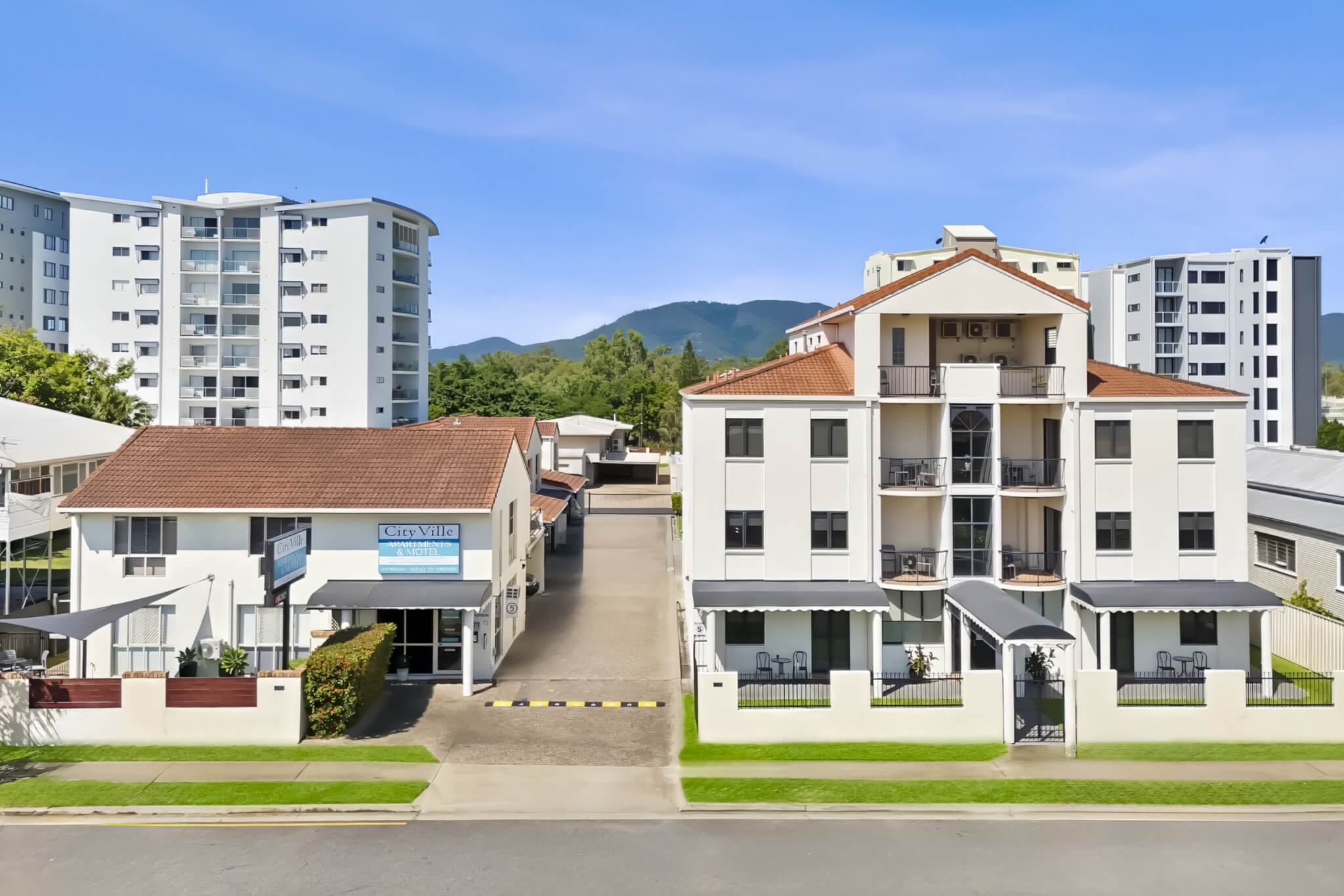
Snorkelling Great Keppel Island: What You Will See. Cityville Apartments & Motel is the central Rockhampton base for visitors building a Rocky-and-Capricorn-Coast trip — 21-23 Bolsover Street, central CBD, two minutes' walk from the Fitzroy River and Quay Street's heritage dining strip, with self-contained apartments, motel rooms and townhouses suited to families, FIFO workers, corporate stays and weekenders alike.
The snorkelling at Great Keppel Island provides the Southern Great Barrier Reef encounter that the Capricorn Coast's proximity to the reef system makes achievable as part of a day trip from the mainland — the coral, the fish, the marine environment that the Great Barrier Reef's global reputation promises and that the Keppel Island fringing reefs deliver at the accessible, shore-entry level that non-diving visitors can experience without the boat trip to the outer reef, the equipment certification, and the depth commitment that scuba diving requires. The snorkelling is not a substitute for the diving. It is a different experience whose surface-level perspective provides the visual access to the reef environment that the shallow fringing coral makes possible within the depth range that a mask, a snorkel, and a pair of fins equip the swimmer to explore.
Where to Snorkel
The fringing reefs around the island's southern beaches — particularly Monkey Beach and Shelving Beach — provide the best snorkelling access, the shallow coral starting within wading distance of the sand and extending across the reef flat at depths of one to four metres that keep the coral and the fish within the visual range that mask-and-snorkel viewing provides without the breath-hold diving that deeper reef access demands. The coral coverage has recovered substantially from the cyclone and bleaching damage that previous decades imposed, and the current condition — while not the pristine reef that the pre-impact photographs displayed — provides the coral diversity, the structural complexity, and the colour range that the fish populations depend on and that the snorkeller observes as the living architecture whose inhabitants populate every crevice, every overhang, and every patch of open sand between the coral heads with the density that distinguishes a healthy reef from a degraded one.
What You Will See
The fish species you encounter include the parrotfish whose beak-like mouths scrape algae from the coral surface and whose vivid blues, greens, and pinks make them the most photogenic reef residents and the most audible — the scraping sound of their feeding carries clearly through the water to the nearby snorkeller. The damselfish that defend their territories with an aggression disproportionate to their five-centimetre size, darting at intruders including snorkellers whose masks approach too closely. The wrasse species whose variety and whose colour patterns reward the observant snorkeller who hovers motionless above the reef and allows the fish to resume the activity that the initial approach disrupted. The anemonefish — the clownfish whose Finding Nemo fame makes them the species that every child seeks — nestled in the anemones whose stinging tentacles provide the protection that the clownfish's mucus coating renders harmless to itself but effective against every other species. And with patience, good visibility, and the stillness that the experienced snorkeller cultivates, the reef sharks — typically blacktip reef sharks — whose presence indicates the ecosystem health that top predators require and whose size and behaviour at the Keppel reefs present no danger to the snorkeller who observes rather than interferes.
What to Bring
Carry your own mask, snorkel, and fins if possible — the fit and the comfort of personal equipment that you have tested and adjusted exceeds the hire equipment's one-size-compromises-all approach whose ill-fitting mask leaks, whose uncomfortable snorkel mouthpiece fatigues the jaw, and whose fins either pinch or slip with equal inconvenience. Wear the stinger suit from November through May without exception and without the optimistic assessment that the water feels fine and the stingers are probably somewhere else. Apply reef-safe sunscreen — the conventional sunscreen's chemical ingredients damage the coral that the snorkelling experience depends on, and the reef-safe alternative provides the UV protection without the environmental cost. Enter the water slowly. Float rather than stand on the coral whose living surface your weight crushes. Give the reef the observation time that the marine life rewards with the appearances and the behaviours that the hurried, splashing visitor frightens into the hiding places that the patient snorkeller never sees them leave.
Where to stay in Rockhampton
Cityville Apartments & Motel sits in the heart of Rockhampton CBD on the Fitzroy River. The property combines compact motel-style studio apartments for solo travellers and FIFO workers, larger 1 bedroom apartments and 2 bedroom apartments for couples and small families, and riverfront apartments for premium stays. Free undercover parking, on-site pool and BBQ, reception staffed during business hours with after-hours key-box pickup arranged by phone, and walking distance to Quay Street's restaurants and the Fitzroy foreshore.
For trip-type guidance see the family rooms guide, the FIFO accommodation guide, and the long-stay accommodation page; or browse all rooms on the accommodation comparison page.
Related reading
- Things to do in Rockhampton
- Rockhampton dining guide
- accommodation
- Rockhampton events calendar
- three-day Rockhampton and coast itinerary
- Capricorn Caves visitor guide
Book direct at Cityville
Book direct at cityville.com.au for the best available rate — no booking fees, no third-party markups. Or phone reception on (07) 4922 8322. Group bookings (5+ rooms) and corporate enquiries to bookings@cityville.com.au.