
Great Keppel Island Day Trip
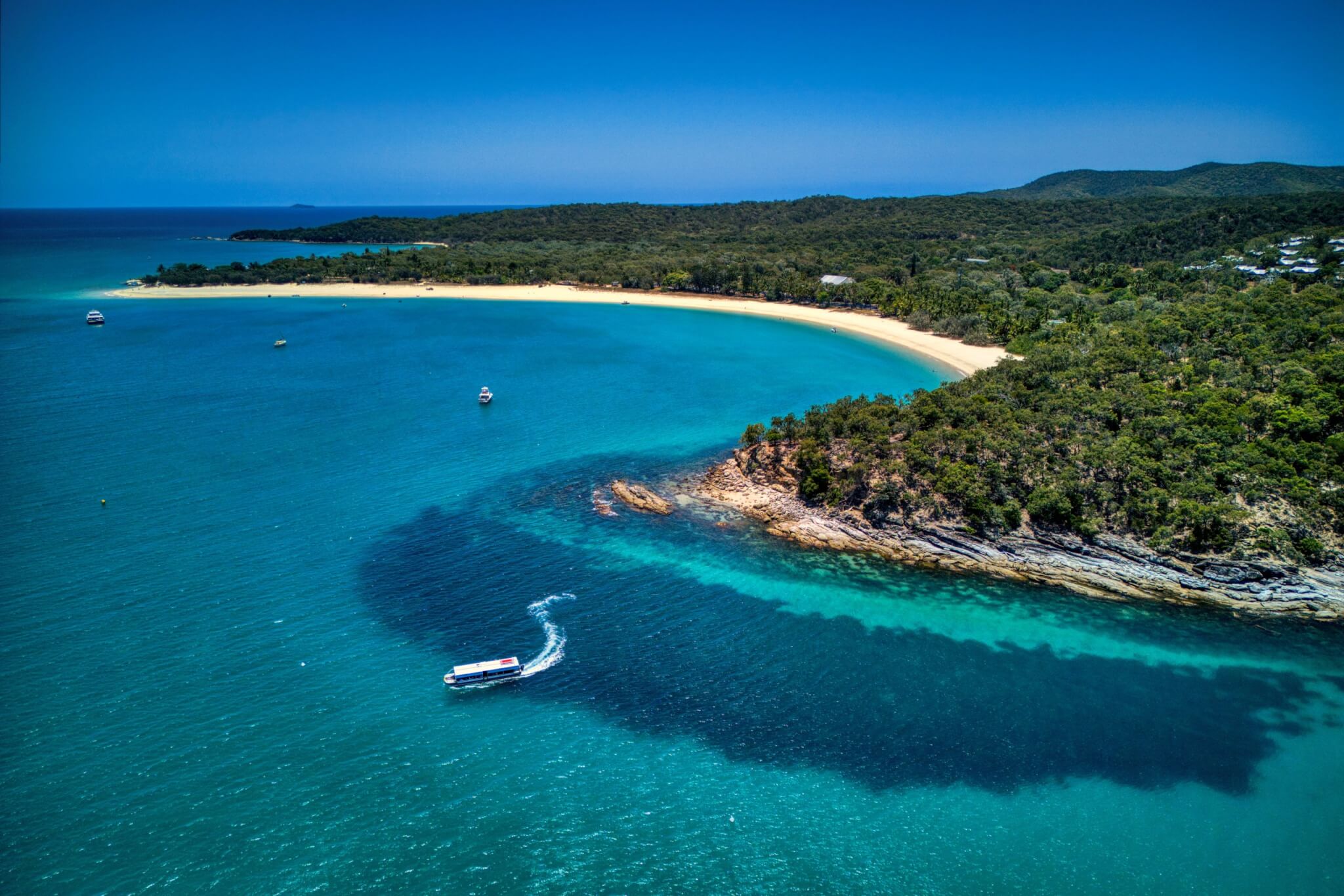
Great Keppel Island sits approximately 15 kilometres off the Capricorn Coast, accessible by a 30-minute ferry from the Keppel Bay Marina at Yeppoon. For anyone staying in Rockhampton, a day trip to Great Keppel represents one of the best possible uses of a free day. The island has 17 beaches, clear turquoise water, coral formations accessible by snorkelling directly from shore, walking trails through native bush, and a pace of life that makes the mainland feel like it is trying too hard. This is not a heavily developed resort island. It is a natural island with basic facilities that lets the beaches and the water do the work.
Getting There
From Rockhampton, drive to Yeppoon, approximately 35 minutes east, then continue to the Keppel Bay Marina, which is about 10 minutes south of Yeppoon's town centre. The ferry to Great Keppel departs from the marina and takes roughly 30 minutes. Ferry services run daily, with morning departures and afternoon returns that allow several hours on the island. During peak season and school holidays, additional services may be added. Book your ferry in advance during busy periods because capacity is limited and sellouts occur.
From door to beach, including the drive from Rockhampton, parking at the marina, boarding the ferry, and landing on the island, allow approximately 90 minutes. The return journey is the same. This leaves a comfortable five to six hours on the island if you take the first morning ferry and the last afternoon return.
What to Do on the Island
The ferry arrives at Fisherman's Beach, a sheltered arc of white sand that is immediately and disarmingly beautiful. The water clarity here is remarkable, and you can see fish and coral formations from the beach without getting wet. Swimming and snorkelling at Fisherman's Beach fills time happily, but the real reward comes from walking to other beaches around the island.
Shelving Beach, a short walk south from Fisherman's Beach, is excellent for snorkelling. The coral extends close to shore and supports a variety of tropical fish species. Monkey Beach, accessible via a walking track through the bush, offers more seclusion and equally good water. The walk takes approximately 20 minutes each way and passes through native vegetation with birdsong that provides a pleasant soundtrack.
For more ambitious walkers, trails extend to beaches on the far side of the island that see very few visitors. Long Beach, on the island's southern side, is a large and often deserted stretch of sand. The walk there and back takes a couple of hours but rewards the effort with genuine isolation and pristine swimming conditions.
Snorkelling
The snorkelling at Great Keppel is surprisingly good for an island that sits on the inner reef rather than the outer Great Barrier Reef. The coral formations around the island's headlands support colourful fish populations, and the water clarity is generally excellent, particularly from May through November when runoff from the Fitzroy River is minimal. You do not need a boat or a guide to access good snorkelling. Walking to a headland between beaches and wading in with a mask and snorkel is sufficient.
Bring your own snorkelling equipment if you have it. Hire gear is available on the island but supplies are limited and quality varies. A mask that fits properly makes the difference between an enjoyable experience and a frustrating one full of water leaks and fogged lenses.
What to Bring
Great Keppel has limited facilities. Bring plenty of water, more than you think you will need, because the combination of sun, salt water, and walking dehydrates you faster than you expect. Bring food for the day, as options on the island are basic and may not be operating outside peak times. Sunscreen, a hat, and a rash vest are essential. Reef-safe sunscreen is strongly recommended to protect the coral you are there to enjoy. Sturdy sandals or reef shoes protect your feet on rocky sections between beaches.
Stinger suits or full-length lycra are recommended during the warmer months from October through May, when marine stingers including box jellyfish may be present. The risk is real, and the consequences of a serious sting are severe enough to justify the precaution regardless of how confident you feel.
Overnight Options
If a day trip leaves you wanting more time, camping is available at designated sites on the island. Basic cabin-style accommodation also exists, though options are limited and booking ahead is essential. An overnight stay allows you to experience the island at dusk and dawn, when the beaches are empty and the light is extraordinary, and gives you time to explore the more remote parts of the island that a day trip does not reach.
Where to stay
Cityville sits in the Rockhampton CBD, which makes it a practical base for day trips across the region. Families usually take 2 Bedroom Apartment or 3 Bedroom Executive Apartment; larger groups travelling together take 4 Bedroom Riverfront Apartment. All are self-contained with full kitchens and in-room or on-site laundry, and every booking includes the pool, BBQ area, WiFi and free undercover parking. The accommodation page compares all nine room types side by side.
More detail on using Rockhampton as a Capricorn Coast base: Using Rockhampton as a Capricorn Coast base.
Book direct
Book direct at cityville.com.au for the best available rate — no booking fees, no third-party markups. Reception is on (07) 4922 8322. For five rooms or more, email bookings@cityville.com.au and we will coordinate a group rate. Cityville Apartments & Motel, 21–23 Bolsover Street, Rockhampton QLD 4700.