
Mount Etna Caves National Park
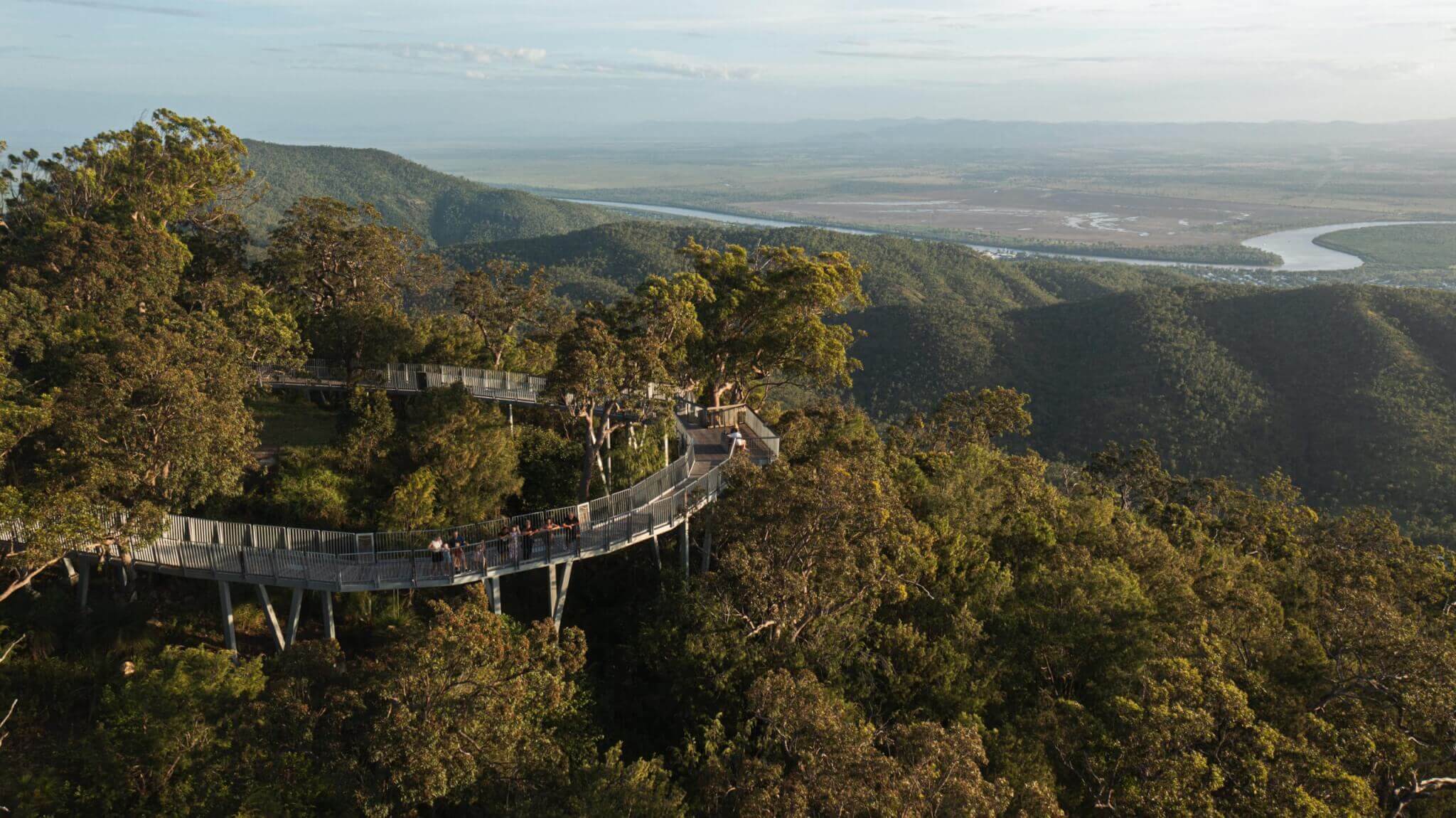
Mount Etna Caves National Park is located approximately 25 kilometres north of Rockhampton, near the better-known Capricorn Caves tourist attraction. While the Capricorn Caves are a commercial operation with guided tours, Mount Etna is a national park managed by Queensland Parks and Wildlife Service that protects cave systems of significant ecological importance, particularly for their bat populations. The park offers a more nature-focused cave experience that appeals to visitors interested in wildlife and ecology rather than a structured tourist tour.
The Bat Colony
Mount Etna Caves are home to a nationally significant colony of the little bent-wing bat and the common bent-wing bat. The caves serve as a maternity roost, with female bats gathering in large numbers during the breeding season to give birth and raise their young. The colony's conservation importance is considerable, and park management includes seasonal access restrictions during the most vulnerable breeding period from approximately October through March.
The bat flight at dusk, when thousands of bats stream out of the caves to feed, is a spectacular natural event that can be observed from outside the cave entrances without disturbing the colony. Timing your visit for the late afternoon to watch the bat emergence is one of the most rewarding wildlife experiences available near Rockhampton and costs nothing beyond the drive.
The Limestone Landscape
Beyond the bat caves, the Mount Etna area features a limestone karst landscape with rock outcrops, dry vine thickets, and eucalyptus woodland. Walking trails pass through varied landscape and provide views of the limestone formations and surrounding countryside. The dry vine thickets are of particular botanical interest, representing a vegetation type increasingly rare in Queensland due to land clearing.
Visiting
Check current conditions and access restrictions with Queensland Parks and Wildlife Service before visiting. The park does not have commercial tourism infrastructure. There are no guides, no cafe, and no gift shop. What it offers is a genuine natural environment managed for conservation, where wildlife and landscape are the experience rather than a curated presentation. The park suits visitors comfortable navigating natural environments independently who are interested in ecology and wildlife.
Getting There
From Rockhampton, drive north on the Bruce Highway for approximately 25 kilometres. The turnoff to Mount Etna is signposted but can be easy to miss. The access road is unsealed and may require reasonable ground clearance after wet weather. Allow 30-40 minutes from Rockhampton CBD. Combine with a morning at the Capricorn Caves for a full day of cave-related exploration covering both the commercial and natural aspects of the region's limestone heritage.
Where to stay
Cityville sits in the Rockhampton CBD, which makes it a practical base for day trips across the region. Families usually take 2 Bedroom Apartment or 3 Bedroom Riverfront Apartment; larger groups travelling together take 4 Bedroom Riverfront Apartment. All are self-contained with full kitchens and in-room or on-site laundry, and every booking includes the pool, BBQ area, WiFi and free undercover parking. The accommodation page compares all nine room types side by side.
More detail on using Rockhampton as a Capricorn Coast base: Using Rockhampton as a Capricorn Coast base.
Book direct
Book direct at cityville.com.au for the best available rate — no booking fees, no third-party markups. Reception is on (07) 4922 8322. For five rooms or more, email bookings@cityville.com.au and we will coordinate a group rate. Cityville Apartments & Motel, 21–23 Bolsover Street, Rockhampton QLD 4700.