
Is a Great Keppel Island Day Trip Worth It?
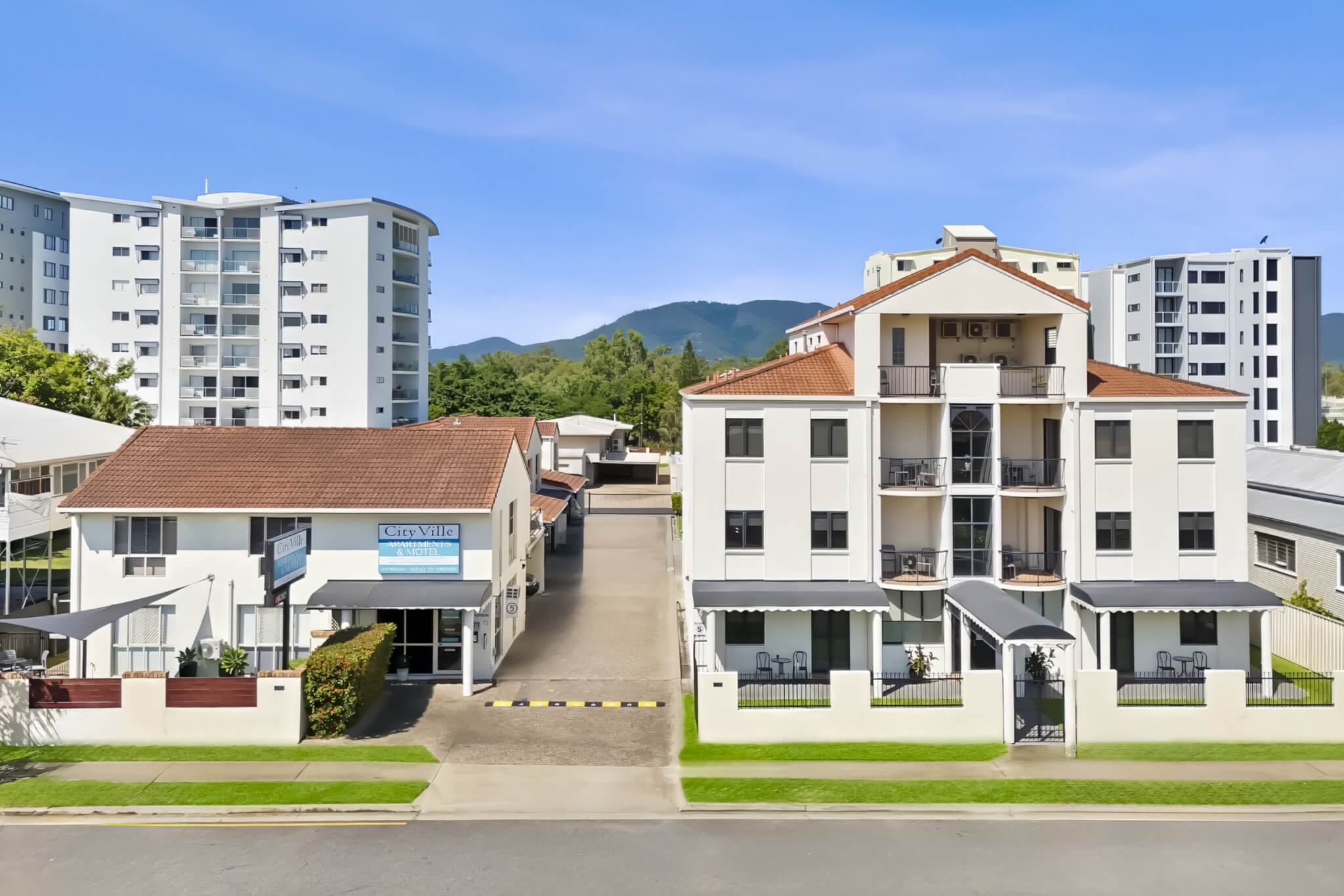
Is a Great Keppel Island Day Trip Worth It?. Cityville Apartments & Motel is the central Rockhampton base for visitors building a Rocky-and-Capricorn-Coast trip — 21-23 Bolsover Street, central CBD, two minutes' walk from the Fitzroy River and Quay Street's heritage dining strip, with self-contained apartments, motel rooms and townhouses suited to families, FIFO workers, corporate stays and weekenders alike.
Great Keppel Island sits approximately 15 kilometres off the Capricorn Coast, accessed by ferry from the Keppel Bay Marina near Yeppoon — a 30-minute crossing that delivers the visitor to the island whose beaches, snorkelling, and the bushwalking trails through the island's interior provide the tropical island experience that the Southern Great Barrier Reef's proximity to the mainland makes achievable as a day trip rather than the multi-day expedition that the more remote reef islands require. The question of whether the day trip is worth the cost, the travel time, and the weather dependency that island visits impose has a clear answer: on a calm, clear day with settled conditions, Great Keppel delivers one of the best value day-trip island experiences in Queensland. On an overcast day with poor visibility and marginal sea conditions, the same trip disappoints in proportion to the expectations that the clear-day experience establishes and that the weather-dependent reality cannot guarantee.
What You Get
The ferry schedule provides approximately five to six hours on the island — enough for the beach time that the white sand and the clear water invite, the snorkelling session that the fringing reef around the island's southern beaches supports with the coral coverage and the fish diversity that the Southern Great Barrier Reef provides at its accessible best, and either the short bushwalk through the island's vegetation or the second beach visit that the remaining hours accommodate. The beaches are the primary attraction: the sand quality, the water clarity, and the absence of the crowds that more accessible mainland beaches attract create the island-beach experience whose quality the ferry cost purchases and whose exclusivity the water crossing preserves from the casual visitor whose commitment does not extend to the boat trip.
The snorkelling at Monkey Beach and Shelving Beach provides the reef encounter that the island's fringing coral supports — the coral starting within wading distance of the sand and extending across the reef flat at depths of one to four metres where the parrotfish, the damselfish, the wrasse, and the occasional reef shark patrol the structure that the coral assemblage creates. The coral has recovered substantially from cyclone and bleaching impacts, and the current condition provides the species diversity and the visual quality that reward the snorkeller who brings their own equipment for the fit and comfort that hire gear compromises, who wears the stinger suit from November through May without the argument that the warm water and the inviting appearance of the swim make tempting, and who enters the water slowly enough to let the marine life resume the activity that the splash and the commotion of the hurried entry frightens away.
Planning the Trip
Check the weather forecast before booking. The crossing in rough conditions diminishes the experience, the snorkelling in poor visibility wastes the opportunity, and the overcast island without the sunlight that makes the water glow the turquoise that the photographs promise is a different product from the one the brochure sold. Book the ferry in advance during school holidays and winter peak season when the calm conditions, the stinger-free ocean, and the whale-watching bonus that the June-September migration season provides increase the demand that the ferry's limited capacity constrains. Carry everything you need: snorkelling equipment, sunscreen in the quantity that the tropical UV demands and that the single application the morning departure allows is insufficient for, water in the volume that the island's heat and the snorkelling's dehydration require, and the food that the island's limited facilities may not provide at the quality or the price that self-provisioning achieves. The stinger suit from November through May is the non-negotiable safety equipment. The reef-safe sunscreen is the environmental responsibility. The realistic expectation — adjusted to the weather that the forecast provides rather than the weather that the brochure illustrates — is the preparation that ensures the day trip delivers satisfaction rather than the disappointment that unmanaged expectations produce.
Where to stay in Rockhampton
Cityville Apartments & Motel sits in the heart of Rockhampton CBD on the Fitzroy River. The property combines compact motel-style studio apartments for solo travellers and FIFO workers, larger 1 bedroom apartments and 2 bedroom apartments for couples and small families, and riverfront apartments for premium stays. Free undercover parking, on-site pool and BBQ, reception staffed during business hours with after-hours key-box pickup arranged by phone, and walking distance to Quay Street's restaurants and the Fitzroy foreshore.
For trip-type guidance see the family rooms guide, the FIFO accommodation guide, and the long-stay accommodation page; or browse all rooms on the accommodation comparison page.
Related reading
- Things to do in Rockhampton
- Rockhampton dining guide
- accommodation
- Rockhampton events calendar
- three-day Rockhampton and coast itinerary
- Capricorn Caves visitor guide
Book direct at Cityville
Book direct at cityville.com.au for the best available rate — no booking fees, no third-party markups. Or phone reception on (07) 4922 8322. Group bookings (5+ rooms) and corporate enquiries to bookings@cityville.com.au.