
The FIFO Worker's Guide to Surviving Rockhampton
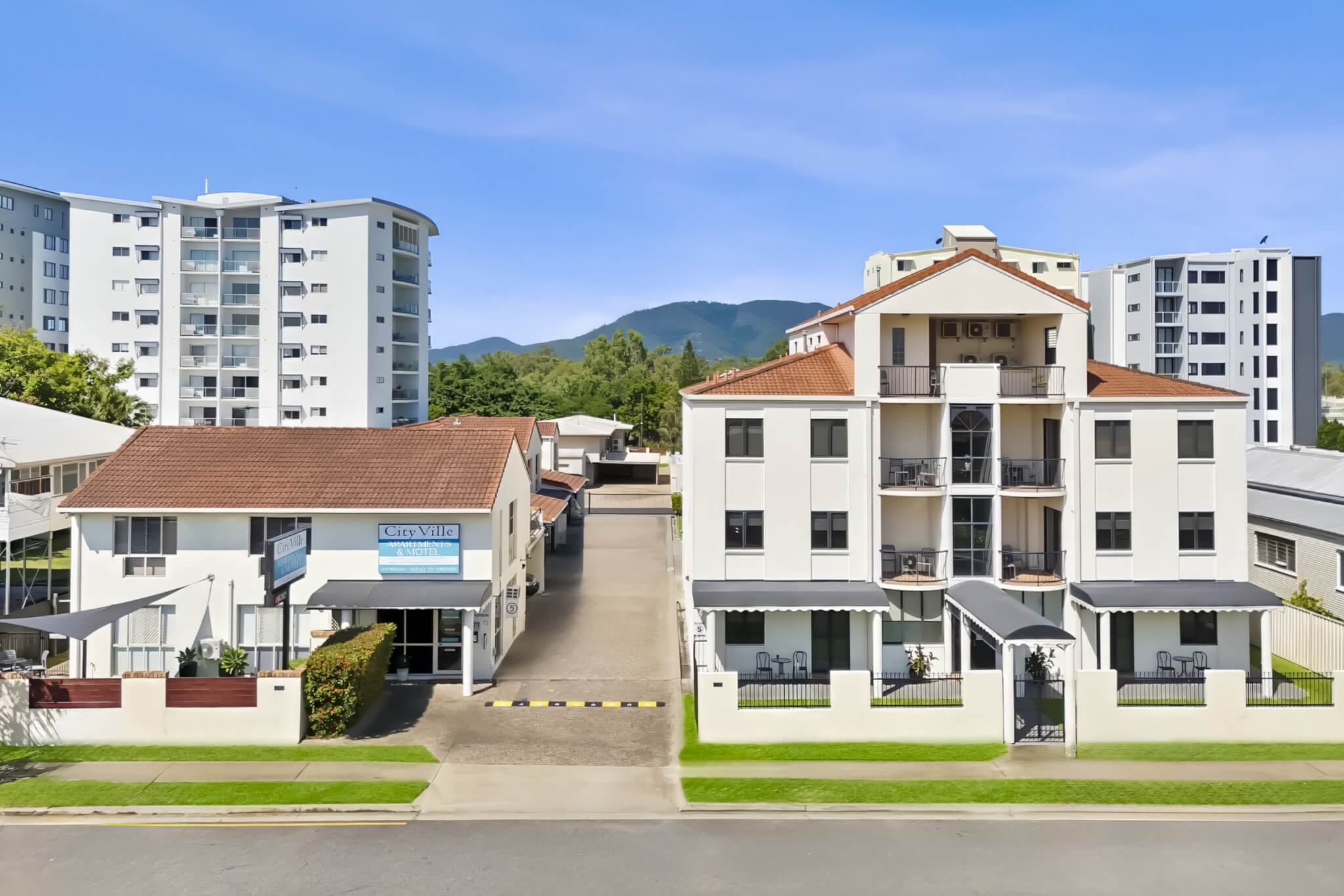
The FIFO Worker's Guide to Surviving Rockhampton. Cityville Apartments & Motel is the central Rockhampton base for visitors building a Rocky-and-Capricorn-Coast trip — 21-23 Bolsover Street, central CBD, two minutes' walk from the Fitzroy River and Quay Street's heritage dining strip, with self-contained apartments, motel rooms and townhouses suited to families, FIFO workers, corporate stays and weekenders alike.
FIFO placements in Rockhampton serve the mining operations in the Bowen Basin to the west and the infrastructure projects across Central Queensland whose workforce requirements exceed the local labour supply and whose roster patterns — the alternating weeks of on-shift and off-shift that FIFO employment imposes — create the accommodation demand that defines Rockhampton's motel market as much as the tourism that the Capricorn Coast attracts. The placement is not a holiday. It is a work assignment whose duration, isolation from home, and physical demands create the conditions that sustainable accommodation practices either manage successfully or allow to erode the health, the finances, and the professional performance that the premium wages are supposed to compensate for. Surviving the placement means establishing the routine that sustains all three across the weeks and months that the roster accumulates into a pattern that becomes either the sustainable rhythm or the depleting grind, depending entirely on the accommodation quality and the habits the worker establishes from the first night.
The Kitchenette Foundation
The kitchenette is the single most important accommodation feature for the FIFO worker because it controls nutrition, budget, and schedule simultaneously. Self-catering breakfast and dinner provides the protein intake that physical work demands at the times that the shift schedule dictates — the 5am breakfast that no restaurant serves, the 7:30pm dinner that the twelve-hour day's fatigue makes cooking a ten-minute task rather than the hour-long restaurant experience that the depleted body cannot tolerate. The nutritional control means the vegetables and the protein that immune function requires during the stress and the disrupted sleep that roster transitions impose, rather than the pub-meal diet that the absence of cooking facilities forces upon the worker whose only dining option after 7pm is the bistro menu whose portion sizes compensate for the nutritional balance they lack.
The financial control is equally significant. The $15-$25 daily cost of kitchenette meals versus the $40-$60 of restaurant dining accumulates to savings of $400-$700 per roster cycle — the money that either builds the savings that FIFO employment's premium wages are supposed to generate, funds the mortgage payments that the regional placement's purpose was to accelerate, or provides the off-roster lifestyle expenditure that makes the rest weeks genuinely restorative rather than merely different. The FIFO worker whose restaurant spending consumes the wage premium that the FIFO premium was designed to provide has traded the time away from home for nothing except the experience of being away from home, which is not the exchange that the employment arrangement intended.
The Recovery Infrastructure
The pool provides the after-shift decompression — the physical transition from the work site's heat, dust, and intensity to the evening's recovery. The cool water, the physical movement, and the sensory contrast between the industrial environment and the water's calm together provide the reset that the walk from the car to the room does not achieve because the transition needs the physical break that immersion in water provides more effectively than the passive transition of entering a room. The guest laundry handles the work clothes whose daily soiling rate the Central Queensland climate and the industrial environment produce — the hi-vis, the steel-cap socks, the work shirts that the twice-weekly wash cycle manages without the wardrobe shortage that the weekly cycle risks when one missed session depletes the clean-clothes supply. The WiFi supports the evening video call to family that the emotional sustainability of the remote placement depends on — the daily connection whose quality is determined by the bandwidth that the accommodation's infrastructure provides and that the accommodation selection should prioritise above the rate differential that the cheaper room without reliable WiFi offers. Establish the routine from night one: kitchenette dinner, pool, laundry, family call, sleep. The routine is the structure that makes the placement sustainable, and the accommodation that supports the routine is the accommodation that the experienced FIFO worker selects and that the first-time FIFO worker should be advised to prioritise above every other selection criterion including price.
Where to stay in Rockhampton
Cityville Apartments & Motel sits in the heart of Rockhampton CBD on the Fitzroy River. The property combines compact motel-style studio apartments for solo travellers and FIFO workers, larger 1 bedroom apartments and 2 bedroom apartments for couples and small families, and riverfront apartments for premium stays. Free undercover parking, on-site pool and BBQ, reception staffed during business hours with after-hours key-box pickup arranged by phone, and walking distance to Quay Street's restaurants and the Fitzroy foreshore.
For trip-type guidance see the family rooms guide, the FIFO accommodation guide, and the long-stay accommodation page; or browse all rooms on the accommodation comparison page.
Related reading
- Things to do in Rockhampton
- Rockhampton dining guide
- accommodation
- Rockhampton events calendar
- three-day Rockhampton and coast itinerary
- Capricorn Caves visitor guide
Book direct at Cityville
Book direct at cityville.com.au for the best available rate — no booking fees, no third-party markups. Or phone reception on (07) 4922 8322. Group bookings (5+ rooms) and corporate enquiries to bookings@cityville.com.au.